Skip to content

Blog

Notes on websites, search and AI

Practical writing about building fast websites and web apps, working with AI, and getting found on Google and in AI search — in plain English. Page 3.

  • 6 min read

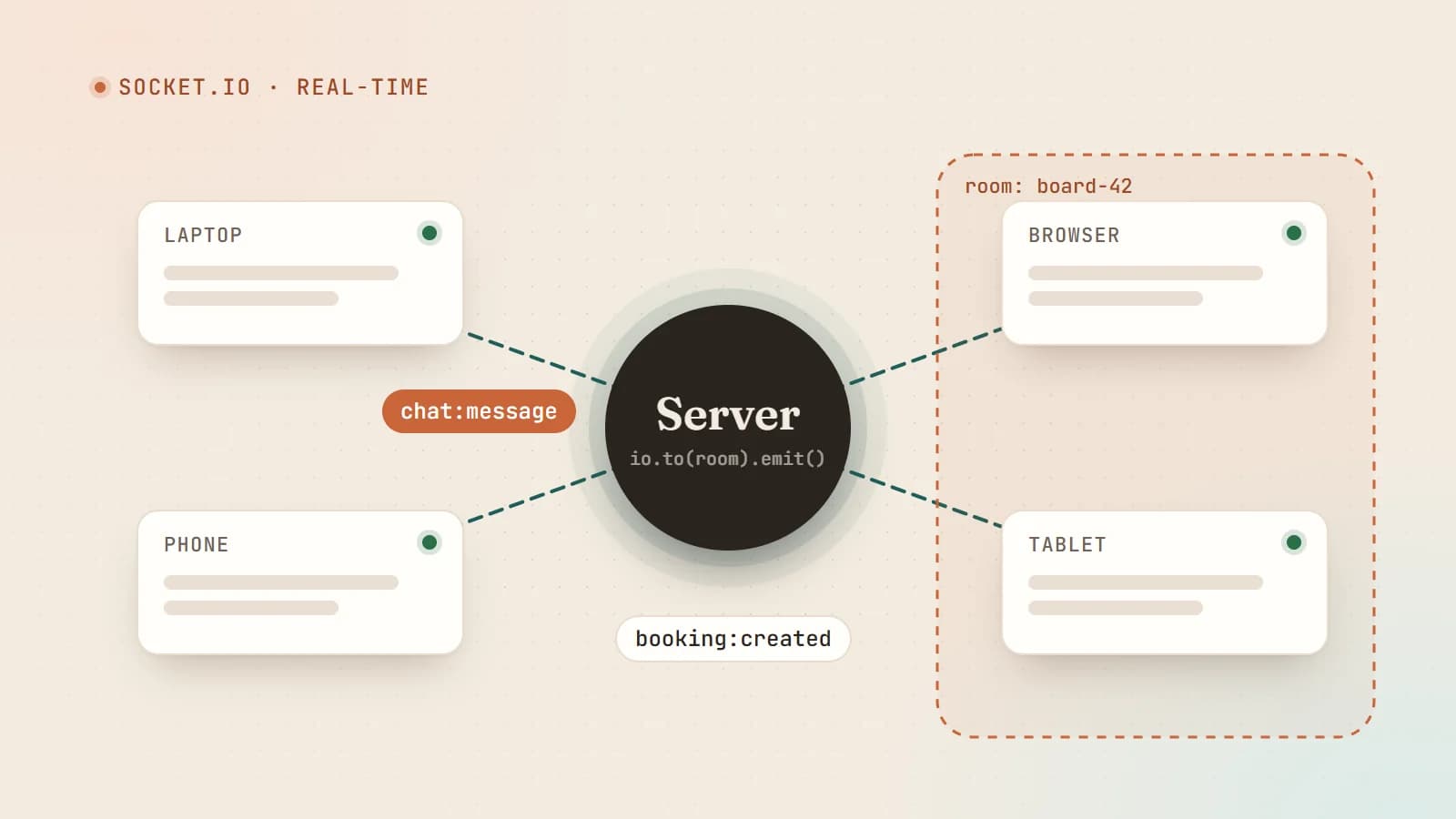
    Building real-time apps with Socket.IO: a practical guide

    Live chat, notifications, dashboards and collaborative tools all need the server to push updates instantly. Here’s how Socket.IO works, the core concepts — events, rooms, acknowledgements — and how to secure and scale it in production.

    • Socket.IO
    • Node.js
    • Real-Time
    • WebSockets
  • 6 min read

    Docker for web developers: from “works on my machine” to production

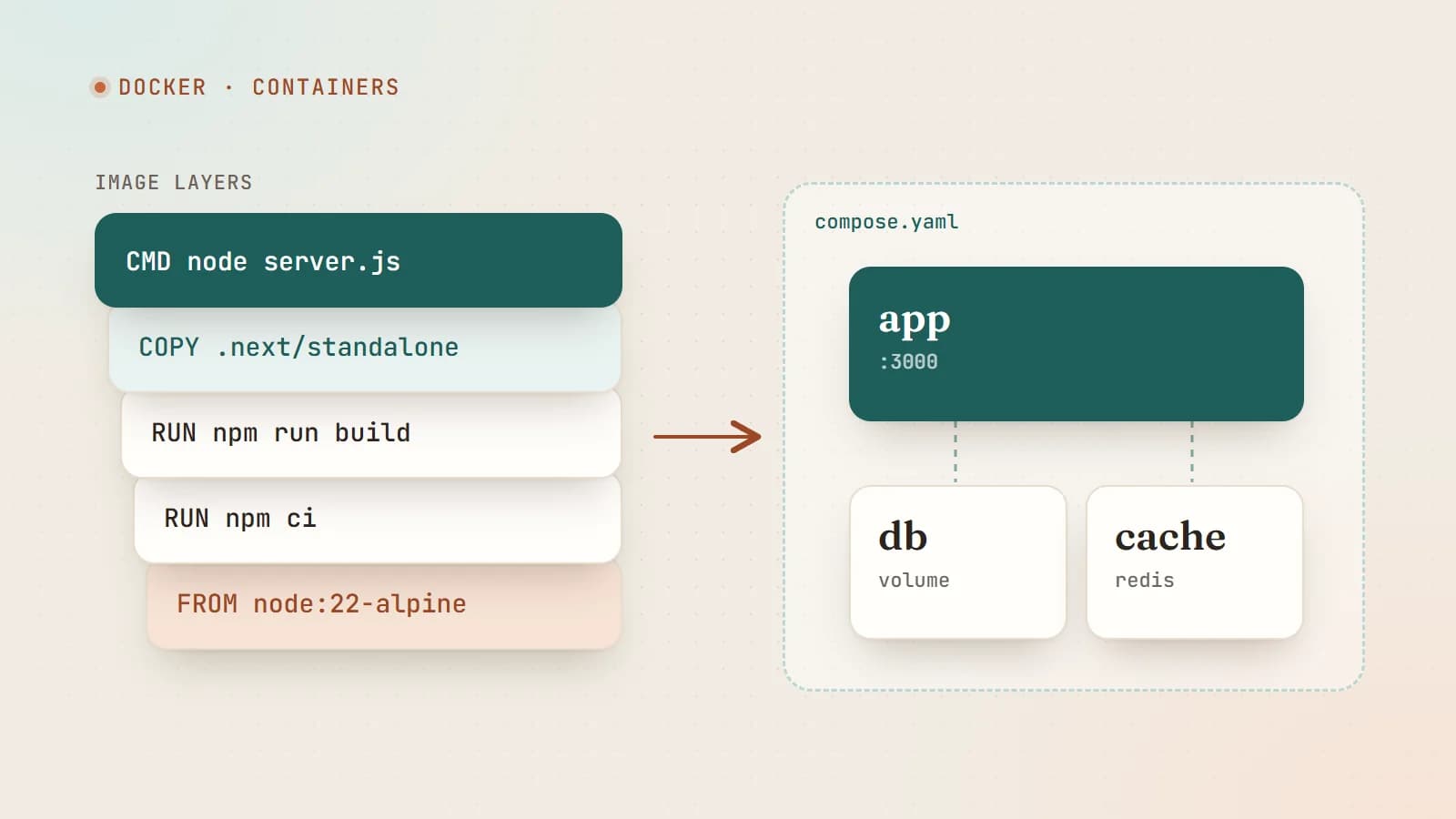
    Docker packages your app with everything it needs to run, so it behaves the same on your laptop, your teammate’s laptop and your server. Here’s how images, containers and Compose work — with a production-ready Dockerfile for a Node.js app.

    • Docker
    • DevOps
    • Node.js
    • Deployment
  • 5 min read

    Caching for web apps: browser, CDN, server and Redis — explained

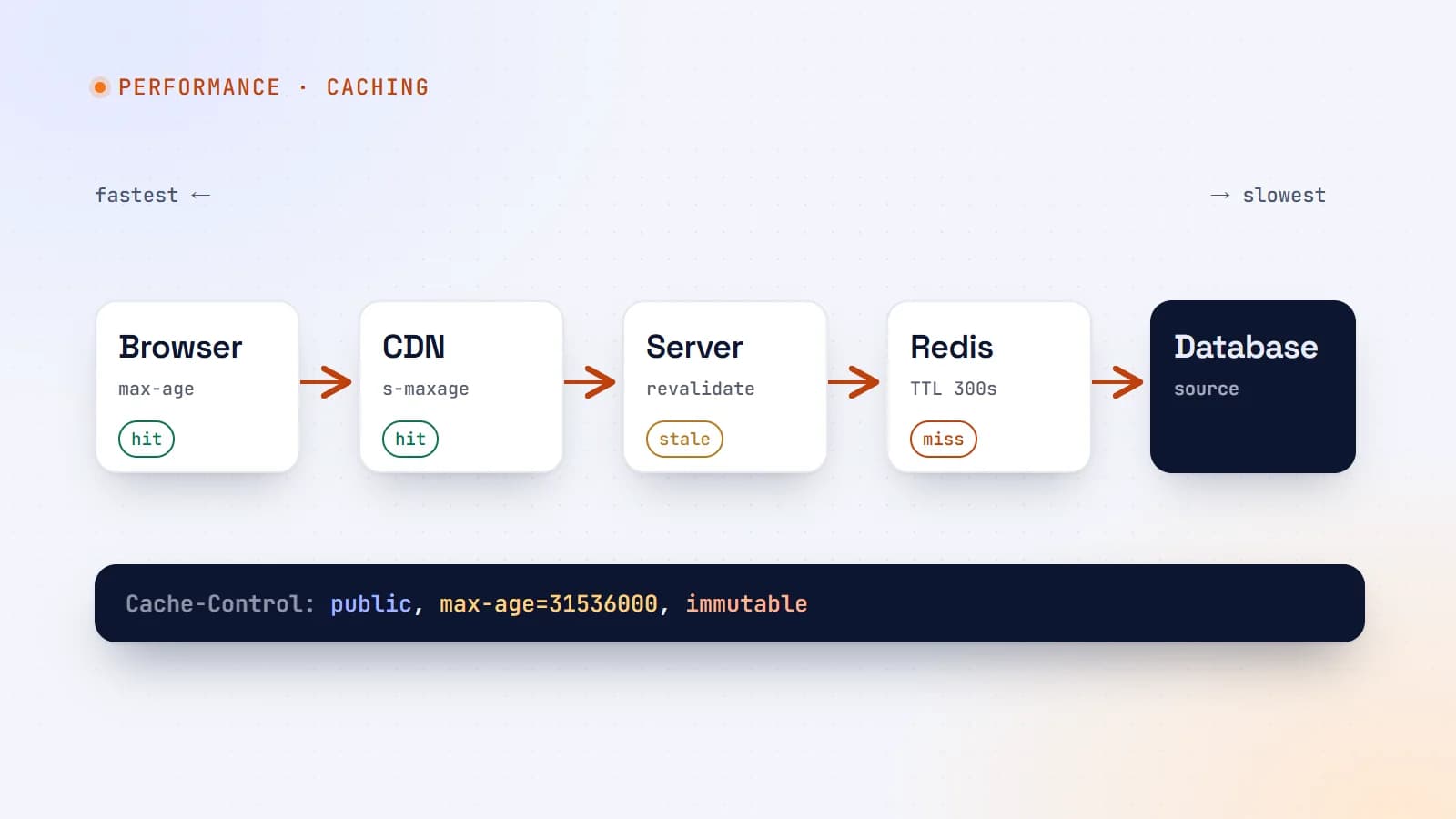
    Caching is the cheapest way to make a website faster and an API cheaper to run — and the easiest way to show users stale data. Here’s how each caching layer works, which headers to use, and how to keep caches correct.

    • Caching
    • Performance
    • Redis
    • DevOps
  • 5 min read

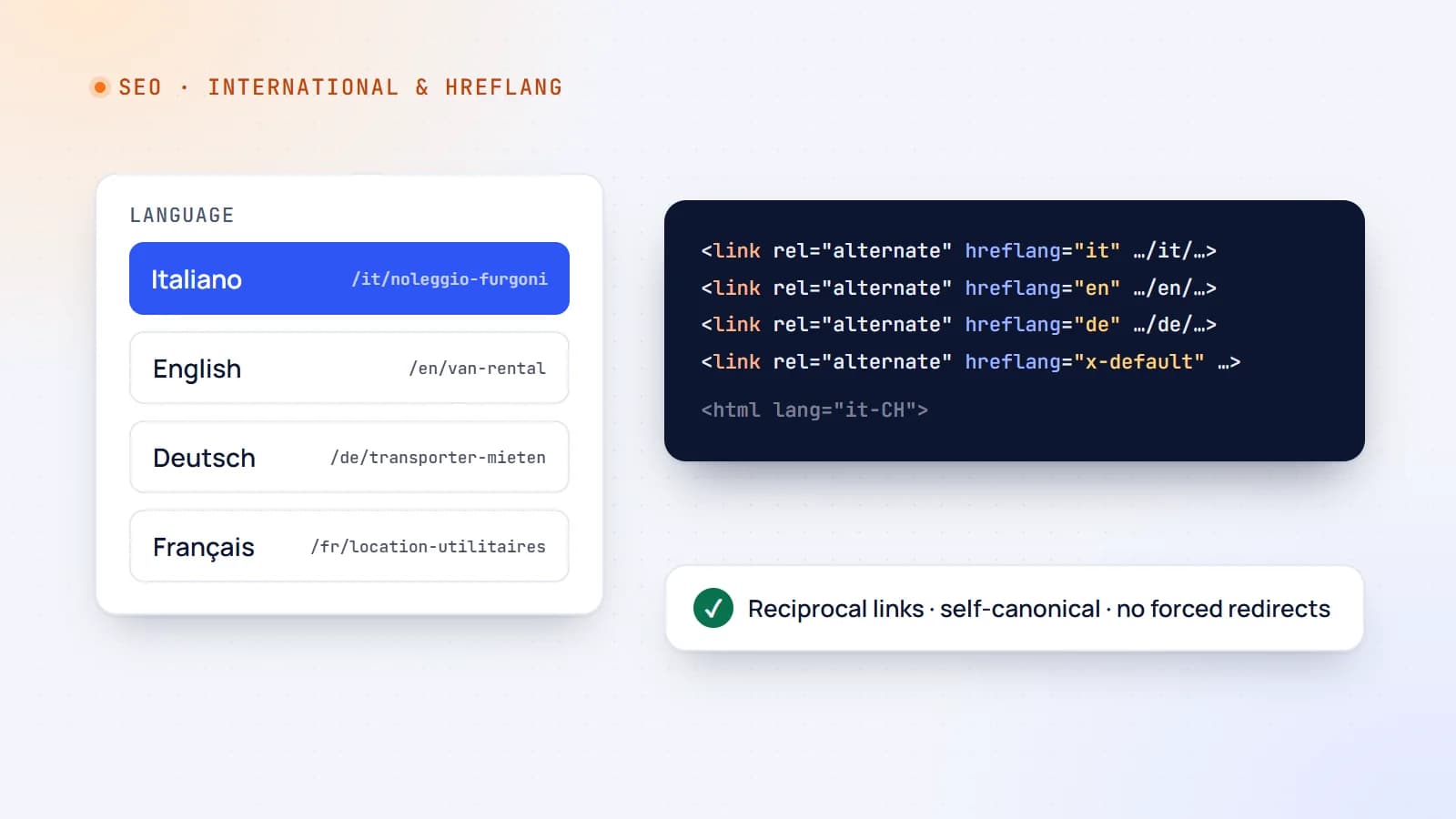
    Multilingual websites done right: URLs, hreflang and international SEO

    Translating your website can open new markets — or quietly confuse Google and frustrate visitors. Here’s how to structure a multilingual site, use hreflang correctly and avoid the mistakes that cost international traffic.

    • International SEO
    • SEO
    • Web Development
    • Next.js
  • 6 min read

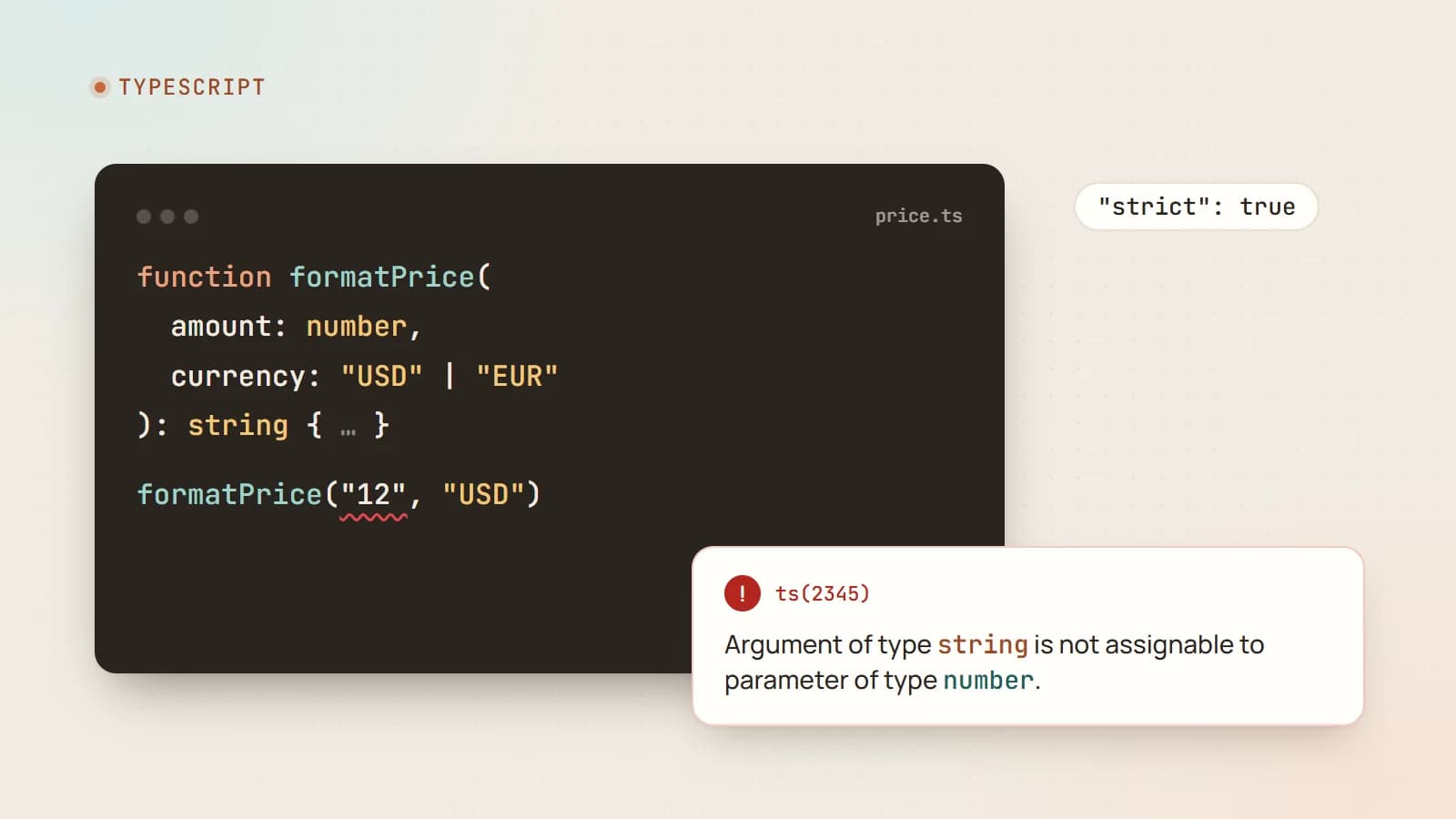
    TypeScript for JavaScript developers: the parts that matter most

    TypeScript catches whole categories of bugs before your code runs and makes large codebases far easier to change. Here’s a practical tour of the features you’ll use every day — and how to adopt it without slowing your team down.

    • TypeScript
    • JavaScript
    • Web Development
    • Code Quality
  • 6 min read

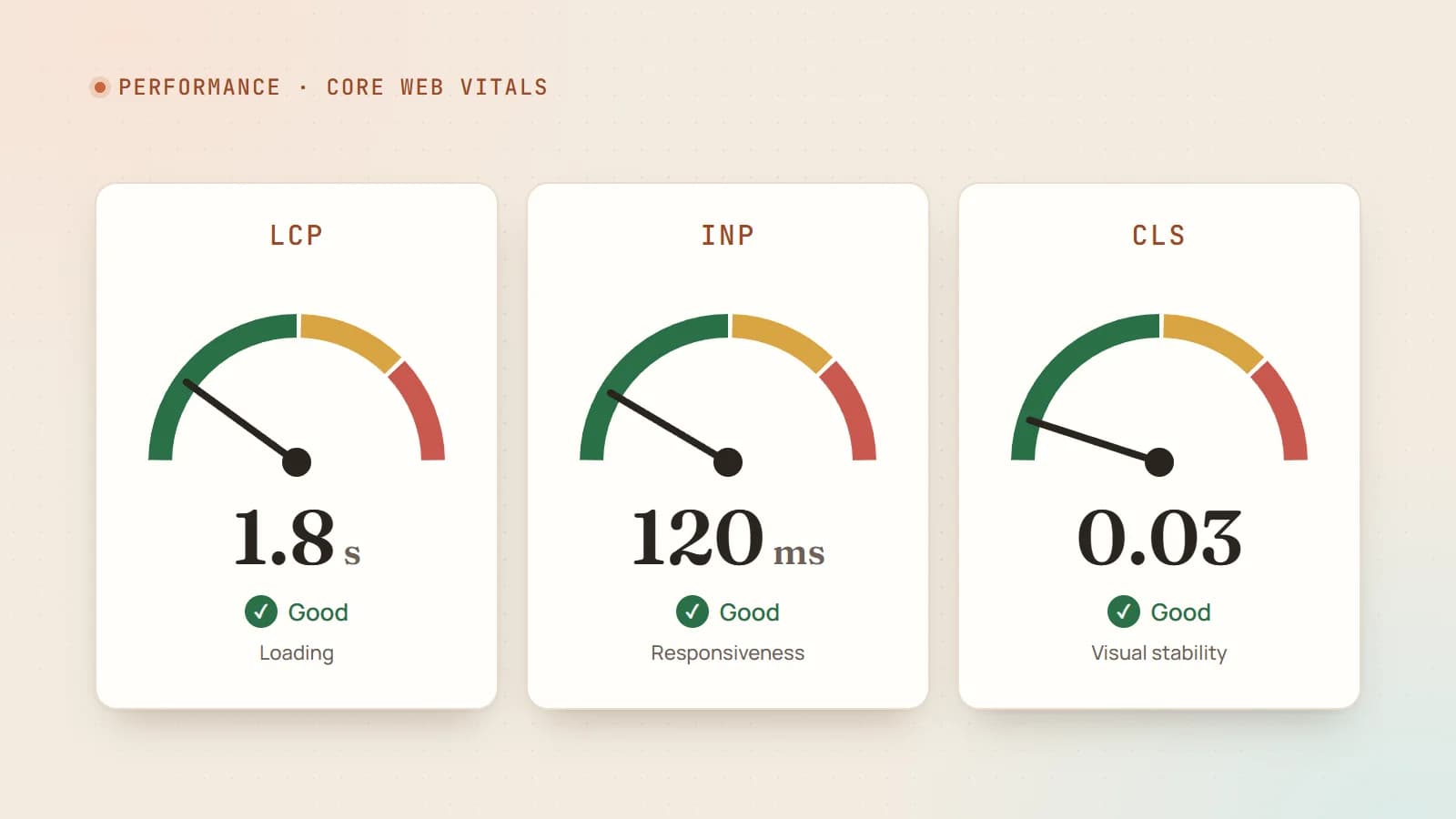
    Core Web Vitals explained: how to make your website feel fast

    Google measures how fast your pages load, how quickly they respond and how stable they look — and visitors notice all three. Here’s what LCP, INP and CLS mean, how to measure them properly, and the fixes that make the biggest difference.

    • Performance
    • Core Web Vitals
    • SEO
    • Web Development
  • 6 min read

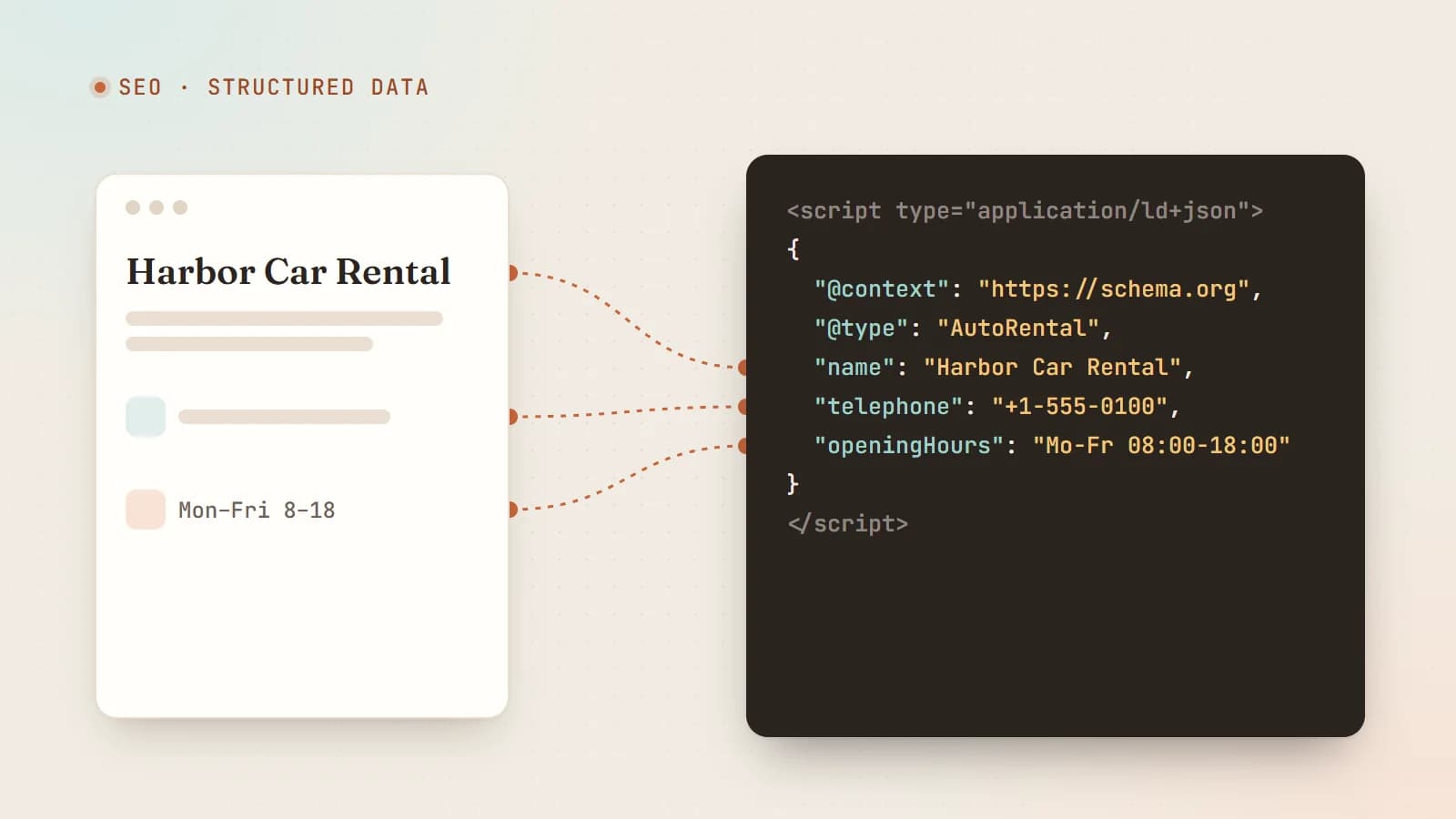
    Structured data and JSON-LD: help Google and AI understand your website

    Structured data tells search engines and AI systems exactly what your page is about — your business, services, articles and reviews — in a format machines can’t misread. Here’s how JSON-LD works, which types matter, and how to add it correctly.

    • SEO
    • Structured Data
    • JSON-LD
    • AI Search